Everything You Need to Know Before Choosing a Yoga Teacher Training in India
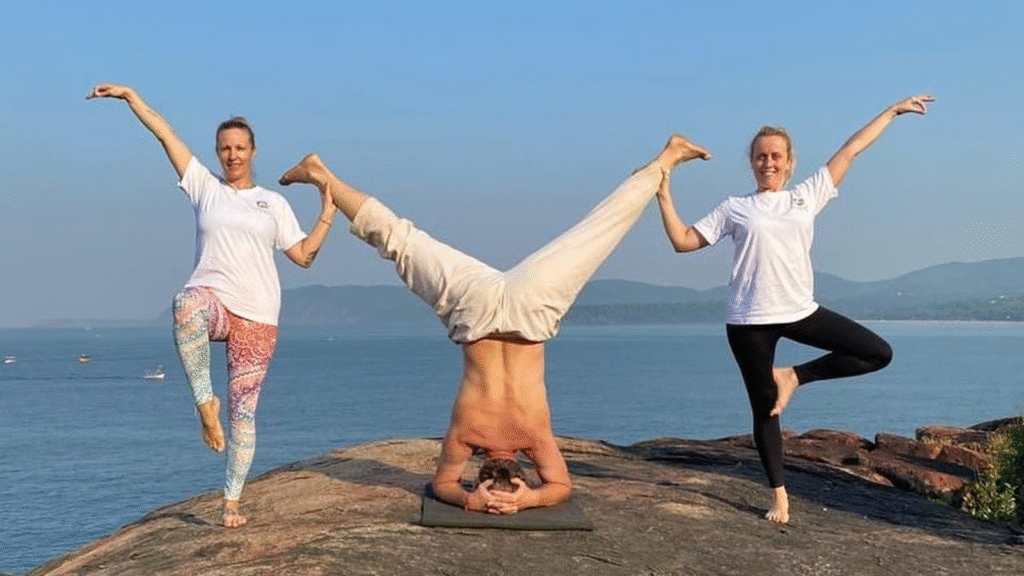
If you’ve ever dreamed of spending a month by the ocean, deepening your yoga practice, meeting people from around the world, and earning an internationally recognized yoga certification, then a Yoga Teacher Training in Goa might be exactly what you’re looking for.
Every year, thousands of students travel to India—the birthplace of yoga—to complete their teacher training. While many people immediately think of Rishikesh, Goa has quietly become one of the most popular destinations for yoga teacher training, attracting beginners, experienced practitioners, travelers, digital nomads, wellness seekers, and future yoga teachers from every corner of the world.
But what is it really like?
How much does it cost? Is it suitable for beginners? What will your days look like? What should you pack? Will you be able to teach after graduation?
This comprehensive guide answers everything you need to know before joining a Yoga Teacher Training in Goa in 2026.
Why Choose Goa for Yoga Teacher Training?
When people imagine Goa, they often picture beaches and holidays. What many don’t realize is that South Goa has become one of India’s most respected destinations for serious yoga education.
The appeal of Goa goes far beyond the coastline.
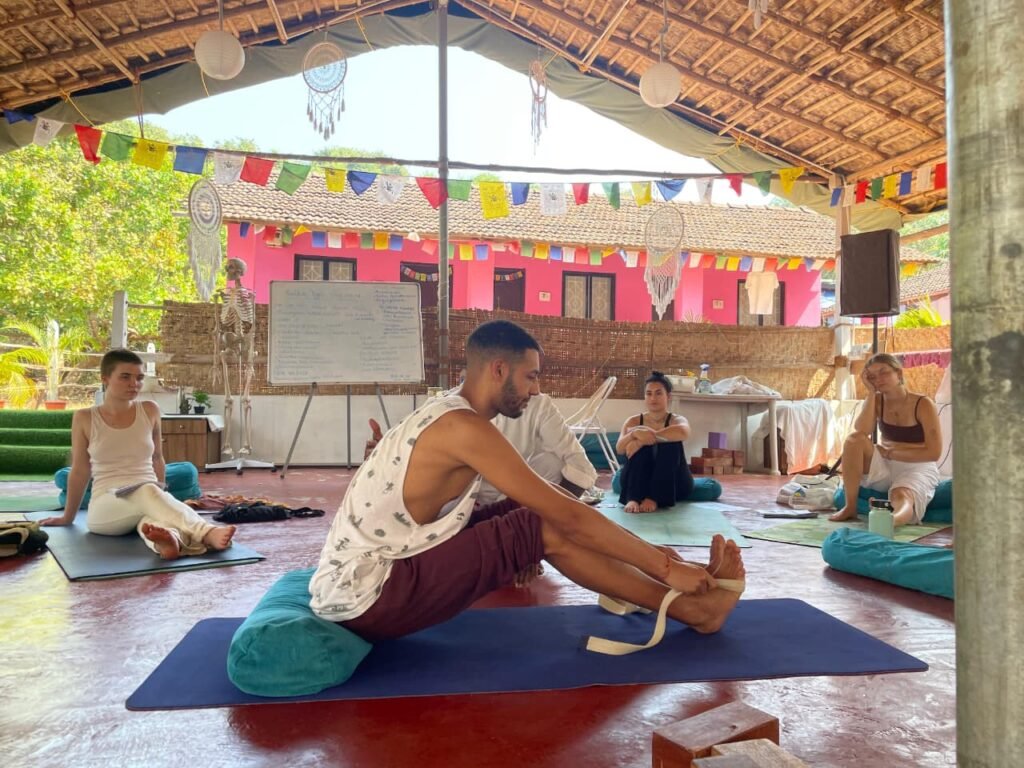
Unlike busy tourist destinations, many yoga schools in South Goa are located in peaceful villages surrounded by nature, where students can fully immerse themselves in their practice without the distractions of city life.
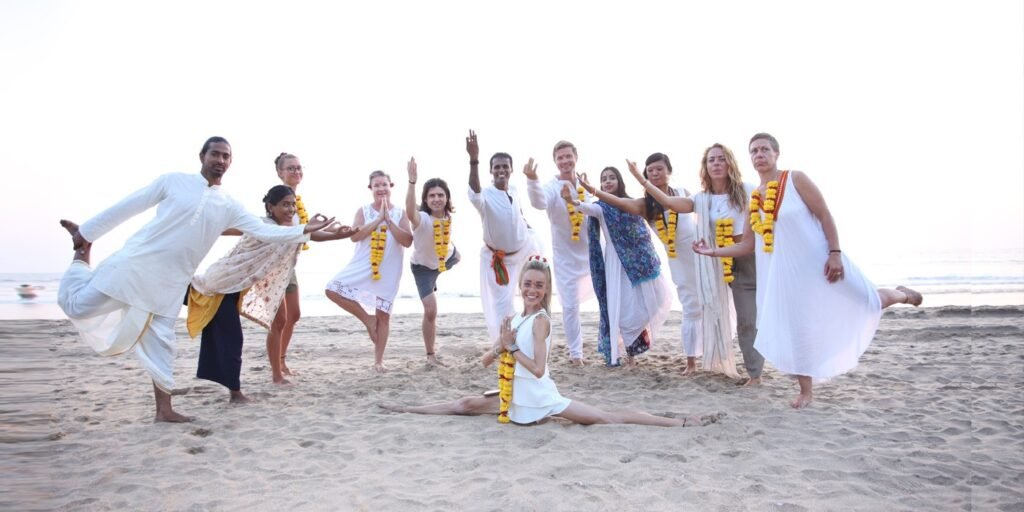
At Goa Yogashala, located in the beautiful beach village of Agonda, students experience a unique balance between traditional yoga education and a relaxed coastal atmosphere.
You can begin your day with sunrise meditation, spend hours studying yoga philosophy and anatomy, enjoy nourishing vegetarian meals, and end the evening listening to the sound of ocean waves.
Many students say that Goa offers something special:
A feeling of openness.
A slower pace.
Space to breathe.
Space to reconnect.
And space to discover who you are beyond your daily routine.
Why Students Choose Goa Over Other Yoga Destinations
While Rishikesh is known for its spiritual intensity and traditional atmosphere, Goa offers a different experience.
Students often choose Goa because:
Pleasant Climate
Goa’s tropical weather allows outdoor practice throughout much of the year.
Beachside Lifestyle
Living near the ocean naturally encourages relaxation and mindfulness.
International Community
Students from Europe, North America, South America, Australia, and Asia gather together, creating lifelong friendships and professional connections.
Balanced Experience
You receive a serious yoga education while enjoying a more relaxed environment.
Safe and Comfortable
South Goa is widely regarded as one of the safest and most peaceful areas in India for international travelers.
For many students, Goa feels less intimidating than larger Indian cities and provides a gentle introduction to Indian culture.

Why Agonda is One of Goa’s Best Locations for Yoga
Not all areas of Goa offer the same experience.
While North Goa is known for nightlife and crowds, South Goa is known for tranquility, nature, and wellness.
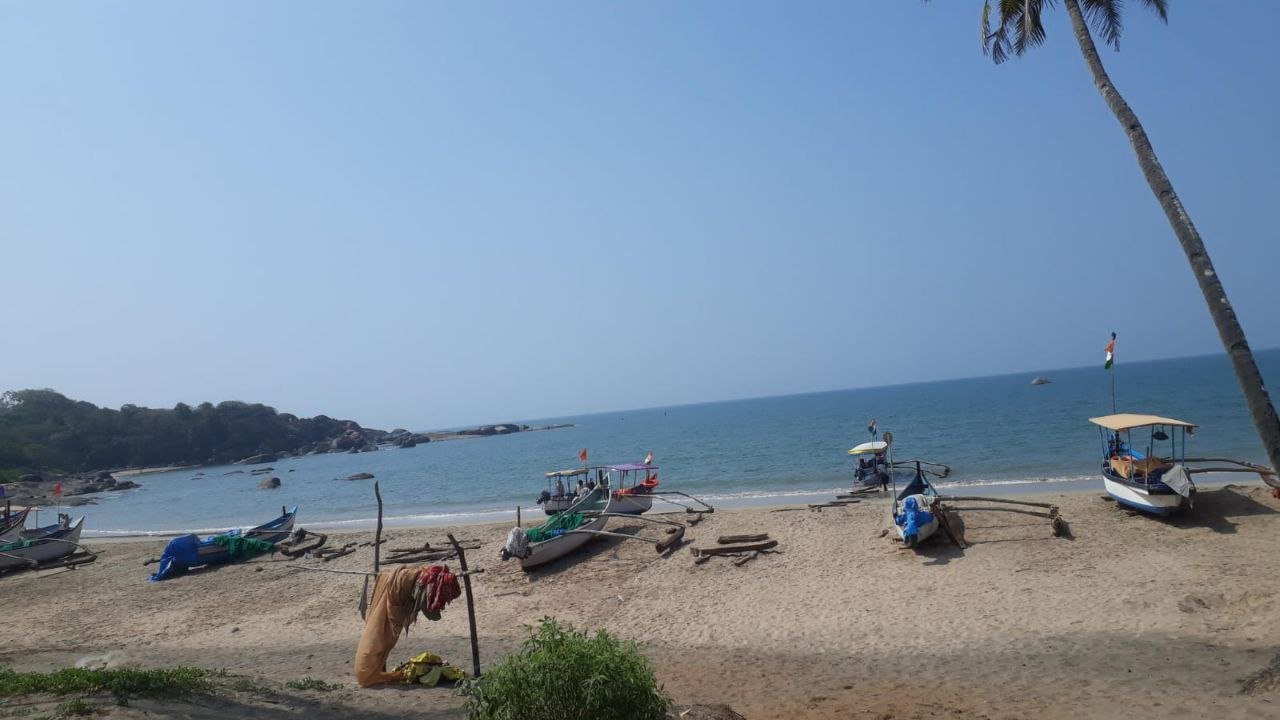
Agonda has become one of the most loved destinations for yoga practitioners because of its:
- Long pristine beach
- Peaceful atmosphere
- Clean surroundings
- Natural beauty
- Wellness-focused community
- Relaxed pace of life
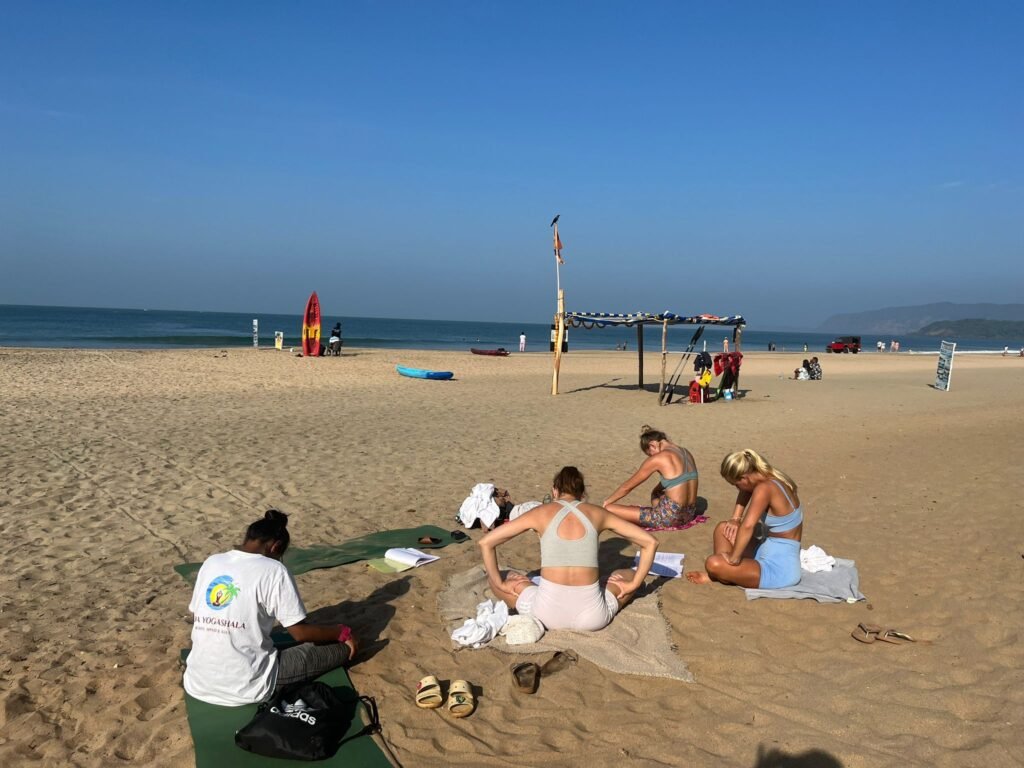
Many students choose Goa Yogashala specifically because the campus is only a short walk from Agonda Beach.
During your stay, the beach often becomes an extension of your yoga practice—a place for meditation, reflection, journaling, swimming, and simply being present.
What is a Yoga Teacher Training Course (YTTC)?
A Yoga Teacher Training Course is an intensive program designed to deepen your understanding of yoga while preparing you to teach others.
A typical 200-Hour Yoga Teacher Training includes:
- Asana practice
- Alignment and adjustments
- Yoga anatomy
- Physiology
- Yoga philosophy
- Teaching methodology
- Sequencing
- Meditation
- Pranayama
- Yoga ethics
- Practice teaching
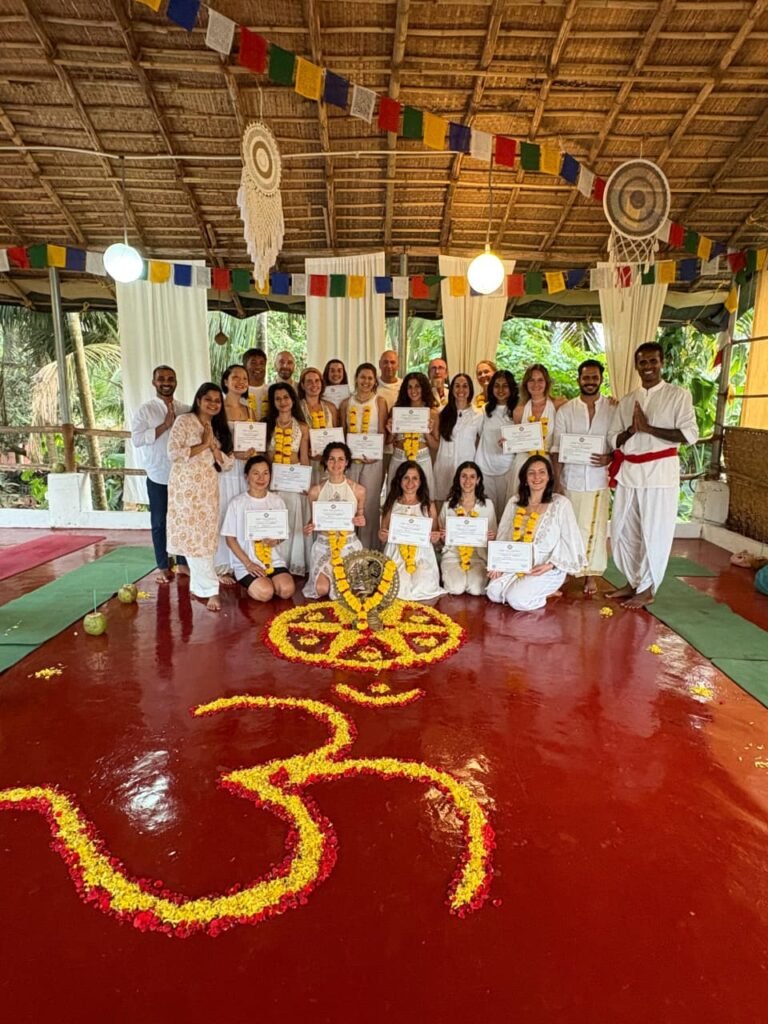
At the end of the course, graduates receive a certification that can allow them to teach yoga professionally worldwide.
Can Complete Beginners Join Yoga Teacher Training?
One of the biggest myths about yoga teacher training is that you need years of experience.
You don’t.
Every year, many students arrive at Goa Yogashala with little previous yoga experience.
You do not need:
❌ Advanced flexibility
❌ Handstand skills
❌ Years of practice
❌ Knowledge of Sanskrit
❌ Teaching experience
What matters most is:
✅ Commitment
✅ Curiosity
✅ Consistency
✅ Willingness to learn
The purpose of yoga teacher training is not to arrive perfect.
The purpose is to learn.
Many students are surprised by how much progress they make in just four weeks when practicing consistently in a supportive environment.
What Styles of Yoga Will You Learn?
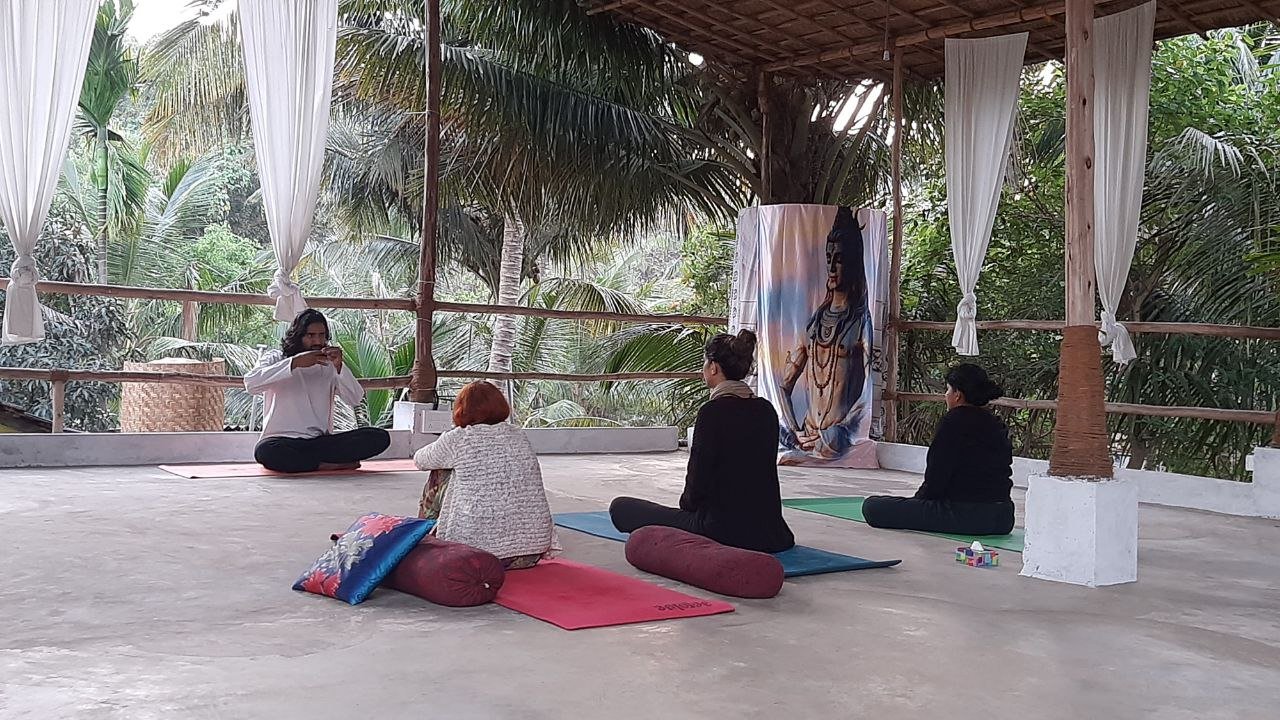
At Goa Yogashala, students are introduced to multiple yoga traditions to develop a well-rounded teaching foundation.
These often include:
Hatha Yoga
Focuses on alignment, breath awareness, and foundational postures.
Ashtanga Yoga
A structured sequence that builds discipline, strength, flexibility, and concentration.
Vinyasa Flow
A dynamic practice that connects movement with breath.
Yin Yoga
A slower style that targets connective tissues and promotes deep relaxation.
Meditation and Pranayama
Essential practices for developing awareness, focus, and emotional balance.
By experiencing multiple approaches, students gain confidence teaching different types of practitioners.
What Does a Typical Day Look Like?
Life during yoga teacher training follows a structured schedule designed to maximize learning and personal growth.
A typical day may include:
Early Morning
- Meditation
- Pranayama
- Cleansing practices
Morning Session
- Asana practice
- Alignment work
Breakfast
Healthy vegetarian meal
Mid-Morning Classes
- Anatomy
- Physiology
- Philosophy
Lunch
Nutritious vegetarian meal
Afternoon Session
- Teaching methodology
- Sequencing
- Practice teaching
Evening Practice
- Yin Yoga
- Meditation
- Workshops
- Discussions
Dinner
Light and nourishing meal
The routine can feel intensive initially, but students often discover that the structured environment helps create clarity, focus, and discipline.

What Will You Learn Beyond Yoga Poses?
One of the biggest surprises for students is realizing that yoga is far more than physical exercise.
Throughout the course, students explore:
Yoga Philosophy
Understanding the principles behind traditional yoga.
Meditation
Learning techniques to calm the mind and improve focus.
Breathwork
Using pranayama to influence energy, emotions, and awareness.
Ayurveda
Introduction to India’s traditional system of holistic wellness.
Teaching Skills
Learning how to communicate clearly and confidently with students.
Personal Development
Developing patience, self-awareness, discipline, and confidence.
For many graduates, the personal transformation becomes even more valuable than the certification itself.
Yoga Alliance Certification Explained
One of the most common questions students ask is:
“Will my certification be recognized internationally?”
If you complete a Yoga Alliance registered program, your certification is recognized worldwide.
Yoga Alliance is one of the largest international yoga registries.
A Yoga Alliance recognized certification can help graduates teach:
- Studio classes
- Private sessions
- Retreats
- Corporate yoga
- Online classes
Students planning professional teaching careers often prefer Yoga Alliance certified schools because of this international recognition.
How Much Does Yoga Teacher Training in Goa Cost?
Pricing varies depending on:
- School reputation
- Accommodation type
- Facilities
- Duration
- Inclusions
Most 200-Hour Yoga Teacher Trainings in Goa range between:
€1,200 – €2,500
The fee typically includes:
- Tuition
- Accommodation
- Course materials
- Certification
- Daily meals
- Campus facilities
At Goa Yogashala, students can choose between shared and private accommodation options depending on their budget and preferences.
When comparing schools, it is important to evaluate overall value rather than choosing solely based on price.
Accommodation During Yoga Teacher Training
For many students, accommodation becomes an important part of the experience.
At Goa Yogashala, accommodation is designed to support both comfort and concentration.
Students can choose from:
Shared Rooms
Ideal for meeting new friends and reducing costs.
Private Rooms
Perfect for students seeking additional privacy and personal space.
Most accommodations provide:
- Comfortable beds
- Private bathrooms
- Wi-Fi access
- Air conditioning options
- Peaceful environment
Living on campus allows students to fully immerse themselves in the experience without worrying about transportation or daily logistics.
Food During Yoga Teacher Training
Nutrition plays an important role in yoga practice.
Most yoga schools provide vegetarian meals designed to support physical activity, digestion, and overall wellbeing.
At Goa Yogashala, students enjoy:
- Three vegetarian meals daily
- Fresh local ingredients
- Herbal teas
- Vegan-friendly options available
Meals often become one of the highlights of the course.
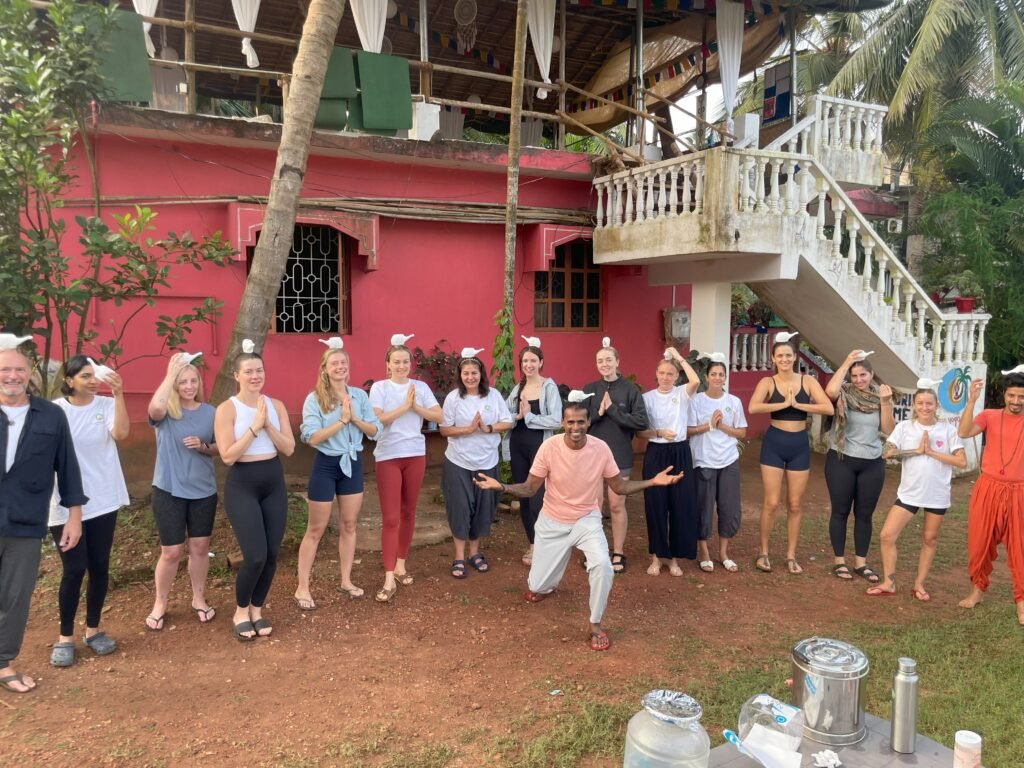
Sharing food together creates a sense of community and connection among students from different countries and cultures.
Can You Swim in the Ocean During Training?
Yes.
One of the unique advantages of studying yoga in Agonda is having easy access to the beach.
Students often spend their free time:
- Swimming
- Watching sunsets
- Walking along the shoreline
- Reading
- Journaling
- Relaxing after classes
Swimming conditions vary depending on season and weather, so students should always follow local safety advice and beach guidelines.
Visa Information for International Students Attending Yoga Teacher Training in India
One of the most common questions we receive from prospective students is:
What visa do I need to attend a Yoga Teacher Training in Goa?
The good news is that the visa process for India has become much easier in recent years, and many international students can apply online before their trip. However, visa requirements can vary depending on your nationality, length of stay, and travel plans, so it’s important to check the latest information from the official Indian immigration authorities before booking your flights.
Which Visa Do Most Yoga Students Use?
For most students attending a 200-Hour Yoga Teacher Training in Goa, a Tourist Visa or e-Tourist Visa (e-Visa) is usually sufficient. Many countries are eligible for India’s e-Visa system, allowing travelers to complete the application process online without visiting an embassy or consulate.
The e-Visa is popular because it is convenient, straightforward, and typically processed faster than traditional visa applications. Depending on your nationality, you may be able to choose between different validity periods, such as 30-day, 1-year, or multi-entry tourist visas.
If you are planning additional travel within India before or after your yoga training, make sure your visa duration comfortably covers your entire stay.
When Should You Apply?
We recommend applying for your visa at least 3–6 weeks before your departure date, even if processing times appear short. Unexpected delays can occur due to public holidays, additional documentation requests, or seasonal increases in applications.
Many students prefer to secure their visa approval before booking non-refundable flights for added peace of mind.
Documents You May Need
While requirements differ by nationality, most applicants should prepare the following:
Valid Passport
Your passport should typically be valid for at least six months beyond your arrival date in India and contain sufficient blank pages for immigration stamps.
Recent Passport Photograph
Most visa applications require a recent passport-style photograph that meets specific size and background requirements.
Visa Application Confirmation
Keep both digital and printed copies of your visa approval documents while traveling.
Return or Onward Travel Details
Immigration officers may ask for proof that you intend to leave India before your visa expires. A return flight ticket or onward travel booking is often recommended.
Accommodation Information
Having the address and contact information of your yoga school and accommodation can be helpful during immigration procedures.
Emergency Contact Information
Carry contact details for family members, friends, and your yoga school in case they are needed during your journey.
Is Travel Insurance Required?
While travel insurance may not always be mandatory for obtaining a visa, it is strongly recommended for international travelers.
Comprehensive travel insurance can provide protection for:
- Medical emergencies
- Hospital visits
- Flight delays
- Lost luggage
- Trip interruptions
- Emergency transportation
Healthcare costs and unexpected travel disruptions can become expensive, so insurance offers valuable peace of mind throughout your stay.
Arriving in India
Before departure, keep copies of important documents both digitally and in print, including:
- Passport
- Visa approval
- Flight itinerary
- Travel insurance details
- Accommodation confirmation
- Emergency contacts
Upon arrival, immigration officers may ask basic questions regarding:
- Purpose of your visit
- Length of stay
- Accommodation details
- Return travel plans
Having these documents organized and easily accessible can help ensure a smooth arrival experience.
Extending Your Stay
Many students fall in love with India and decide to spend additional time exploring Goa, visiting places like Rishikesh, Kerala, Jaipur, Varanasi, or the Himalayas after completing their training.
If you think you may want extra time for travel, consider this when selecting your visa type and duration before departure. Visa conditions vary, and extensions may not always be possible depending on the visa category issued.
What Should You Pack?
Essentials include:
Clothing
- Comfortable yoga clothes
- Light breathable clothing
- Swimwear
- Modest clothing for local travel
Personal Items
- Reusable water bottle
- Sunscreen
- Insect repellent
- Journal
- Power adapter
Yoga Equipment
Most schools provide mats and props, but many students prefer bringing their own yoga mat.
What Makes Goa Yogashala Different?
Every yoga school teaches postures.
The difference lies in the experience.
Students often choose Goa Yogashala because of:
Traditional Indian Roots
Yoga is taught as a complete lifestyle rather than only physical exercise.
Small Supportive Community
Students receive personal attention and individualized guidance.
Beachside Location
A peaceful environment near Agonda Beach.
Multi-Style Curriculum
Exposure to Hatha, Ashtanga, Vinyasa, Yin, Meditation, Philosophy, and Anatomy.
Cultural Experiences
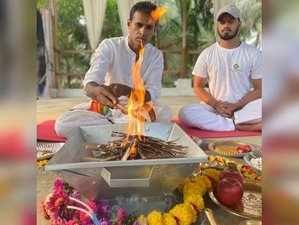
Students may experience traditional ceremonies, chanting, meditation practices, Ayurveda education, and community events that deepen their connection to India’s yogic heritage.
Real Student Experiences
Students consistently describe similar transformations:
“I arrived feeling burned out and disconnected. I left feeling stronger and more confident.”
“I came to improve my practice and discovered a completely different relationship with myself.”
“I never imagined I could teach yoga. By graduation, I felt ready.”
“The friendships I made became one of the most meaningful parts of the experience.”
Many graduates continue teaching professionally, while others return home simply carrying the lessons into daily life.
Frequently Asked Questions
Am I too old for yoga teacher training?
No. Students of many ages successfully complete yoga teacher training every year.
Do I need to be flexible?
No. Flexibility develops naturally through practice.
Can I join if I don’t want to become a teacher?
Absolutely. Many students attend primarily for personal growth.
Is the training physically demanding?
It can be intensive, but practices are generally adapted for different levels.
Will I receive a certificate?
Yes, students who successfully complete the course receive certification.
Can I teach immediately after graduation?
Yes. Many graduates begin teaching shortly after completing their certification.
Is Goa safe for solo travelers?
South Goa is widely considered one of the safest and most welcoming destinations in India for international travelers.
What language are classes taught in?
Most international teacher trainings are conducted in English.
Final Thoughts
A Yoga Teacher Training in Goa is much more than a certification course.
It is an opportunity to step away from routine, reconnect with yourself, build lifelong friendships, and study yoga in the country where it originated.
Whether your goal is to become a yoga teacher, deepen your personal practice, explore Indian culture, or simply spend a month focused on growth and wellbeing, Goa offers an environment that supports transformation on every level.
At Goa Yogashala, students don’t simply learn how to teach yoga.
They experience yoga as a way of life.
And for many, that experience becomes the beginning of an entirely new chapter.