For years, wellness was often marketed as something we had to add to our already busy lives.
A workout before work.
A meditation app between meetings.
A green smoothie on the way to the office.
A weekend retreat after months of stress.
But something is changing.
People are beginning to question whether wellness should simply help us keep up with an exhausting lifestyle—or whether it should change the way we live in the first place.
And that shift may define wellness in 2027.
The global wellness economy has already grown enormously. According to the Global Wellness Institute, it reached $6.8 trillion in 2024 and is projected to grow to approximately $9.8 trillion by 2029.
But the most interesting change is not simply how much people are spending on wellness.
It is what they are looking for.
The conversation is gradually moving away from:
“How can I optimize everything?”
toward:
“How can I feel better in my everyday life?”
More people are becoming interested in nervous-system regulation, better sleep, breathwork, longevity, meaningful travel, slower lifestyles, community, meditation and sustainable movement. Current wellness research and industry reporting already identify many of these themes as major directions for 2026.
And interestingly, many of the practices appearing in modern wellness conversations are not particularly new.
Breathing consciously.
Moving the body.
Sitting quietly.
Spending time in nature.
Creating community.
Eating mindfully.
Resting properly.
Learning to observe the mind.
Yoga has been exploring these ideas for centuries.
So perhaps the future of yoga will not be about inventing something completely new.
Perhaps it will be about rediscovering what yoga was always meant to be.
Here are seven wellness trends we believe will become increasingly visible in 2027—and what they could mean for the future of yoga.
1. Nervous-System Wellness Will Become Mainstream
For years, wellness culture focused heavily on physical appearance.
Lose weight.
Build muscle.
Become more flexible.
Track calories.
Improve performance.
But increasingly, people are talking about something less visible:
How regulated does your nervous system feel?
Terms such as nervous-system regulation, vagal tone, recovery, fight-or-flight, somatic practices and emotional regulation have moved into mainstream wellness conversations.
The Global Wellness Summit identified neurowellness and nervous-system regulation as a major wellness trend for 2026, noting growing interest in helping people move away from constant physiological stress and toward better recovery.
The Global Wellness Institute’s yoga-focused trends also highlight neurowellness and nervous-system regulation as an important direction in modern yoga research and practice.
This matters for yoga.
Because suddenly, the question is no longer:
“How deep can you go into the pose?”
It becomes:
“How does this practice make your system feel?”
That changes the entire approach.
Instead of constantly choosing the hardest yoga class available, some practitioners may intentionally seek:
- Slower Hatha practices
- Yin Yoga
- Restorative Yoga
- Yoga Nidra
- Pranayama
- Meditation
- Gentle movement
- Longer relaxation
- Breath-led practices
This does not mean dynamic yoga will disappear.
There will always be people who love strong Ashtanga and Vinyasa practices.
But 2027 may bring a better understanding that more intense does not automatically mean more beneficial.
Some days your body needs challenge.
Other days it needs recovery.
Learning to recognize the difference is part of yoga.
Yoga may become less about pushing—and more about regulating.
And this is where traditional yoga has something powerful to contribute to modern wellness.
2. Breathwork Will Become Part of Everyday Wellness
Ask someone ten years ago about pranayama and they may have assumed you were talking only to serious yoga practitioners.
Today, breathwork is everywhere.
Athletes use it.
Executives use it.
Therapists discuss it.
Meditation platforms teach it.
Wellness retreats offer it.
People use breathing exercises before presentations, after stressful meetings, before sleep and during moments of anxiety.
The Global Wellness Institute’s 2026 Breathe Initiative notes growing interest in breathwork for areas including nervous-system regulation, focus, emotional intelligence and sustained performance.
And yet conscious breathing is hardly a new discovery.
Pranayama has been an important part of yoga practice for generations.
The difference is that modern wellness is beginning to understand why something as simple as the breath can be so powerful.
By 2027, we expect breathwork to become even more integrated into daily life.
Not necessarily as a one-hour wellness session.
Sometimes simply as:
Five conscious breaths before opening your laptop.
A breathing exercise before an important conversation.
Ten minutes of pranayama in the morning.
Slowing the exhalation before sleeping.
Pausing before reacting.
This may also change the way people understand yoga.
For years, someone could attend yoga classes for months and mostly experience asana.
But as breathwork becomes more mainstream, people may start asking:
What else is there beyond the poses?
And that question opens the door to a much deeper understanding of yoga.
3. Yoga Will Become More About Longevity Than Flexibility
For a long time, yoga marketing has been dominated by images of extremely flexible bodies.
Deep backbends.
Handstands.
Splits.
Advanced arm balances.
Beautiful? Absolutely.
But they are not the entire purpose of yoga.
One of the biggest wellness shifts going forward may be the movement from:
“How impressive can my body become?”
to:
“How well can my body support me as I age?”
Longevity has become one of the biggest conversations in the broader wellness industry.
People are paying more attention to mobility, strength, sleep, metabolic health, brain health, recovery and maintaining independence later in life.
Yoga fits naturally into this conversation.
The World Health Organization noted in 2026 that research on yoga and healthy ageing is increasingly examining areas such as brain health, mood, fatigue, chronic pain and nervous-system mechanisms.
That does not mean yoga is a cure or replacement for medical care.
But it does mean researchers are increasingly interested in yoga not merely as flexibility training but as a multidimensional mind-body practice.
By 2027, we may see more students choosing yoga for:
- Mobility
- Balance
- Functional movement
- Breath awareness
- Stress management
- Strength
- Mental wellbeing
- Healthy ageing
And perhaps fewer people asking:
“How quickly can I touch my toes?”
Instead, they may ask:
“Can I still move comfortably twenty years from now?”
That is a much more interesting question.
4. Wellness Travel Will Shift From Escape to Transformation
For years, wellness travel often meant staying in a beautiful resort, getting massages, eating healthy food and returning home refreshed.
There is nothing wrong with that.
Sometimes rest is exactly what we need.
But another form of wellness travel is becoming increasingly important:
Travel with intention.
People are not only asking:
“Where should I go?”
They are asking:
“What do I want to experience while I am there?”
The Global Wellness Institute currently describes wellness tourism as the intersection of tourism and wellness, with travellers increasingly wanting to maintain or improve their wellbeing while away from home.
Its 2026 wellness-tourism trends highlight demand for nervous-system resets, deeper rest, privacy, slower experiences and programs involving breathwork, mindful movement, nature immersion and digital disconnection.
We expect this shift to become even stronger in 2027.
Instead of:
“I need a holiday.”
More travellers may feel:
“I need an experience that changes something.”
That could mean:
A yoga retreat.
A meditation retreat.
A silent retreat.
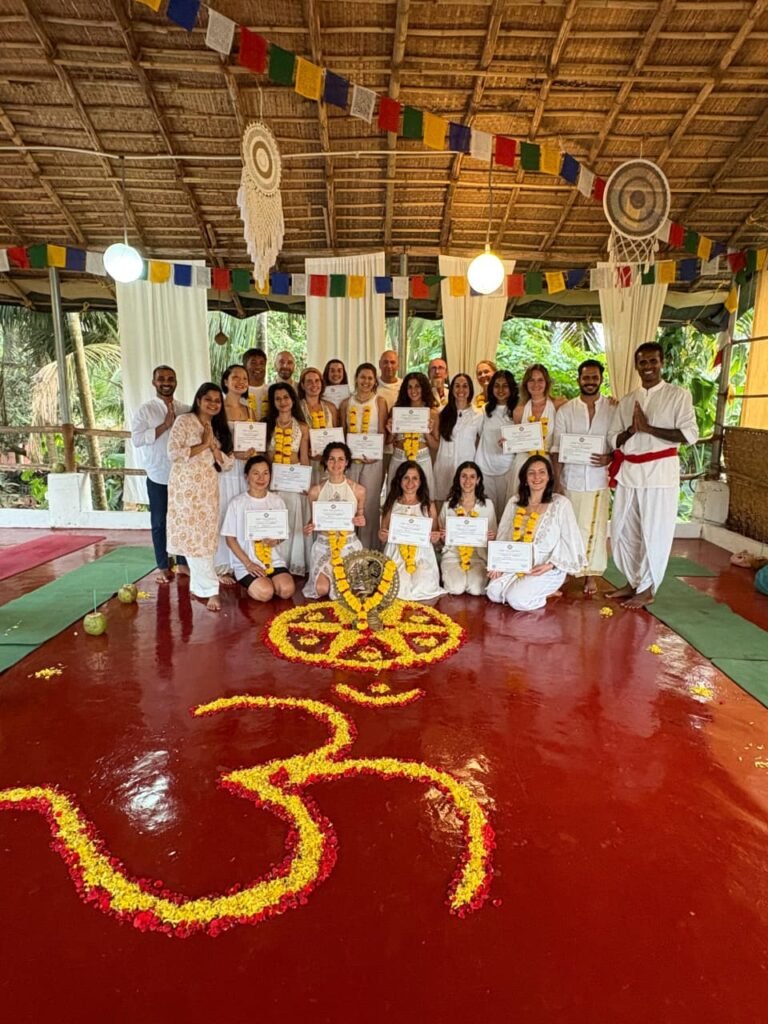
A teacher training.
An Ayurveda program.
A hiking and nature immersion.
A digital-detox stay.
A month spent studying something meaningful.
This is especially relevant to yoga teacher training.
Students rarely travel thousands of kilometres to India simply because they want a certificate printed on paper.
They often come because they want to temporarily step outside their normal lives.
They want time.
Perspective.
Community.
Learning.
A different routine.
Sometimes they want to become teachers.
Sometimes they are between careers.
Sometimes they are travelling alone for the first time.
Sometimes they have simply reached a point where their normal routine no longer feels enough.
The future of wellness travel may therefore be less about escaping life—and more about returning to life differently.
5. Slow Wellness Will Challenge Hustle Culture
For years, almost everything became something to optimize.
Morning routines.
Sleep.
Workouts.
Productivity.
Food.
Meditation.
Even relaxation started becoming another thing to perform successfully.
There is an irony in becoming stressed about wellness.
And people are beginning to notice it.
One of the most interesting shifts happening in wellness is the growing desire for less stimulation.
Less noise.
Fewer notifications.
Slower mornings.
Nature.
Deep rest.
Long walks.
Reading.
Breathing.
Sleeping.
Doing one thing at a time.
Current wellness-tourism research is already showing demand for quieter environments, gentle daily rhythms, digital disconnection and experiences focused on deep rest.
By 2027, “slow wellness” may become a much bigger movement.
And yoga will need to decide whether it wants to follow the culture of constant achievement—or offer an alternative to it.
Because yoga itself can easily become another performance.
More advanced poses.
More classes.
More certifications.
More followers.
More challenges.
More progress photos.
But traditional yoga repeatedly brings us back to something simpler:
Awareness.
Breath.
Discipline.
Stillness.
Observation.
Presence.
Maybe the future of yoga is not learning how to do more.
Maybe it is learning when not to.
6. People Will Want Community Alongside Wellness
One of the contradictions of modern life is that we are constantly connected and still frequently feel disconnected.
We can talk to someone on the other side of the world instantly.
But many people rarely sit down and share an uninterrupted meal.
Remote work offers incredible freedom but can also reduce everyday social interaction.
Social media gives us thousands of connections but not necessarily deeper relationships.
This is why community may become increasingly important in wellness.
People are beginning to seek experiences they can share.
Group retreats.
Run clubs.
Yoga communities.
Breathwork circles.
Meditation groups.
Walking clubs.
Wellness festivals.
Teacher-training communities.
And this is something anyone who has participated in an immersive yoga teacher training often understands.
You arrive as strangers.
Different countries.
Different careers.
Different ages.
Different reasons for being there.
Then suddenly you are waking up at the same time.
Practicing together.
Eating together.
Learning anatomy together.
Discussing yoga philosophy.
Laughing through workshops.
Supporting someone through a difficult practice.
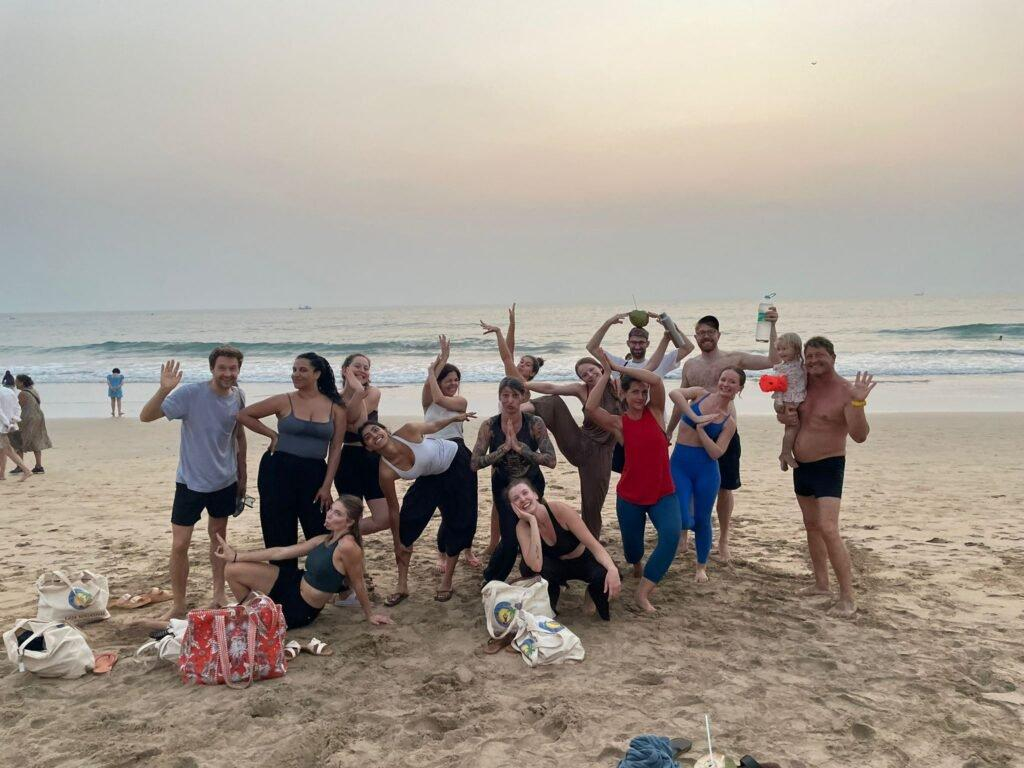
Watching sunsets together.
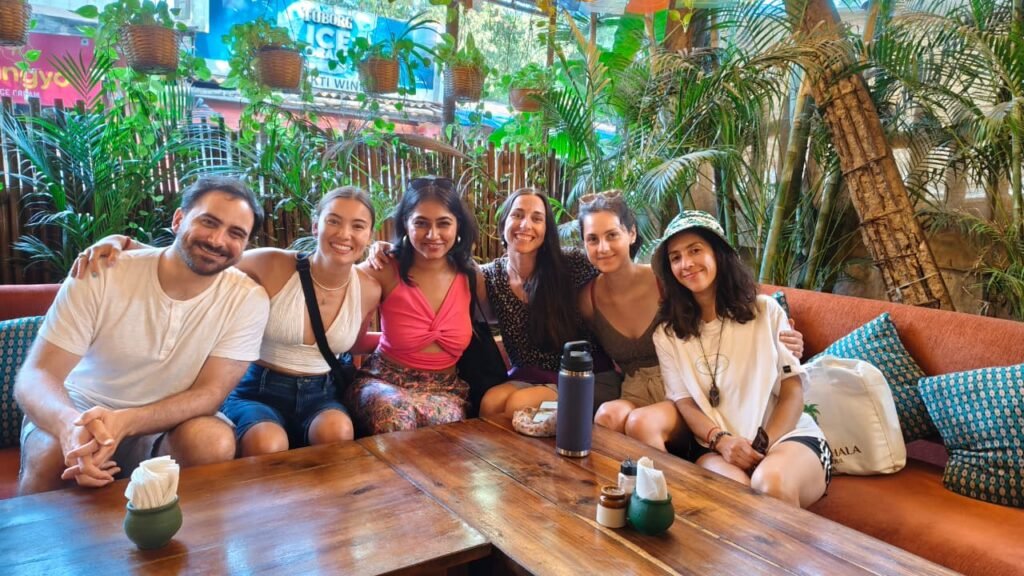
Within a surprisingly short time, people who had never met can begin to feel like a small community.
And that may become one of the greatest values of wellness experiences in the coming years.
Because sometimes wellbeing is not about doing more things alone.
Sometimes it is about belonging somewhere.
7. People Will Start Looking Beyond Asana Again
Perhaps this will be the most important yoga trend of 2027.
For decades, modern yoga became strongly associated with the physical practice.
Ask someone what yoga is and they may immediately imagine:
Downward Dog.
Warrior poses.
Headstands.
Leggings.
Yoga mats.
Flexibility.
But anyone who begins studying yoga more deeply quickly discovers that asana is only one part of a much larger tradition.
Yoga also includes ideas and practices related to:
- Pranayama
- Meditation
- Concentration
- Ethical living
- Self-observation
- Philosophy
- Discipline
- Awareness
The irony is that many trends currently growing in modern wellness—breathwork, mindfulness, conscious living, nervous-system regulation, deep rest and meditation—already overlap with practices that yoga traditions have explored for generations.
That creates an interesting possibility.
The wellness industry may actually lead people back toward deeper yoga.
Someone might begin with breathwork.
Then discover pranayama.
Someone might become interested in mindfulness.
Then explore meditation.
Someone might start looking for stress relief.
Then discover Yoga Nidra.
Someone might attend yoga for flexibility.
Then become curious about philosophy.
Someone might join a retreat.
Then eventually decide to complete a yoga teacher training.
And this is why the future of yoga may actually look more traditional rather than less.
Not traditional in the sense of refusing to evolve.
But traditional in the sense of remembering:
Yoga was never only about the body.
What Will the Yoga Class of 2027 Look Like?
It may look very different depending on where you go.
Technology will continue influencing yoga.
Online classes will remain.
Wearables may give people more information about sleep, recovery and physiological responses.
AI may help people personalize training schedules and wellness experiences.
Scientific research will continue exploring how yoga, meditation and breathing practices affect different aspects of health. Current yoga research trends are already moving into areas such as nervous-system regulation and molecular or genomic research.
But interestingly, all of that technology may make simple human experiences even more valuable.
A teacher watching how you move.
A group breathing together.
A room becoming quiet before meditation.
Someone adjusting a sequence because your knee hurts.
A conversation about philosophy after class.
Practicing without looking at your phone.
These things cannot easily be replaced by an algorithm.
So the future will probably not be:
Technology OR traditional yoga.
It may be:
Technology AND a stronger desire for real human practice.
Will AI Change Yoga?
Almost certainly.
AI will influence nearly every major industry, and wellness will not be an exception.
People may increasingly use AI to:
Create personalized routines.
Track health data.
Plan meals.
Analyse sleep.
Recommend recovery practices.
Design travel itineraries.
Suggest meditation sessions.
Build yoga sequences.
In fact, the Global Wellness Institute already lists AI-designed wellness travel among its 2026 wellness-tourism trends.
But yoga poses an interesting challenge for AI.
A sequence can be generated.
Information can be summarized.
Instructions can be written.
But teaching is also relational.
A good teacher notices hesitation.
They see when someone is forcing a posture.
They understand when encouragement is useful and when someone needs permission to rest.
They adapt.
They listen.
They create trust.
And perhaps as artificial intelligence becomes more capable, human presence will become more valuable, not less.
The Rise of “Real” Wellness
There is another change we hope to see in 2027.
More honesty.
Wellness marketing has sometimes created unrealistic expectations.
Wake up at 5 AM.
Meditate every day.
Drink the perfect smoothie.
Practice yoga.
Journal.
Cold plunge.
Walk 10,000 steps.
Sleep eight hours.
Never feel stressed.
Repeat.
But human beings do not live perfectly optimized lives.
We have jobs.
Children.
Deadlines.
Relationships.
Illness.
Travel.
Bad moods.
Busy days.
Unexpected problems.
Real wellness has to work inside real life.
Sometimes wellness is a 90-minute yoga practice.
Sometimes it is ten minutes of breathing.
Sometimes it is going to bed early.
Sometimes it is saying no.
Sometimes it is taking a walk.
Sometimes it is sitting quietly without doing anything productive.
The future of wellness should not make people feel like they are failing at wellbeing.
It should give them tools to live better.
What Does All of This Mean for Yoga Teachers?
The role of the yoga teacher may also evolve.
Knowing how to demonstrate asanas will remain important.
But future students may expect teachers to understand more about:
- Anatomy
- Inclusive teaching
- Modifications
- Breath
- Meditation
- Nervous-system awareness
- Philosophy
- Sequencing
- Communication
- Different bodies and abilities
- Rest and recovery
This does not mean yoga teachers should become doctors, psychologists or therapists.
Knowing the limits of your professional scope is equally important.
But it does mean future yoga education may need to produce teachers who understand yoga beyond memorizing a sequence.
Teachers who can explain.
Teachers who can observe.
Teachers who continue learning.
Teachers who understand when to challenge students—and when not to.
Teachers who remember that yoga is about people, not performances.
Why Studying Yoga in India May Become Even More Relevant
As yoga continues evolving globally, there may be increasing curiosity about where these practices came from.
And that could make studying yoga in India particularly meaningful.
You can learn yoga almost anywhere today.
There are excellent teachers all over the world.
But travelling to India gives students an opportunity to experience yoga in a cultural environment where practices such as pranayama, meditation, mantra, philosophy and Ayurveda can be explored alongside asana.
For international students, an immersive training also creates something difficult to experience through weekly studio classes:
time.
Time to practice.
Time to study.
Time to ask questions.
Time to disconnect from routine.
Time to meet people from around the world.
Time to discover what yoga means personally.
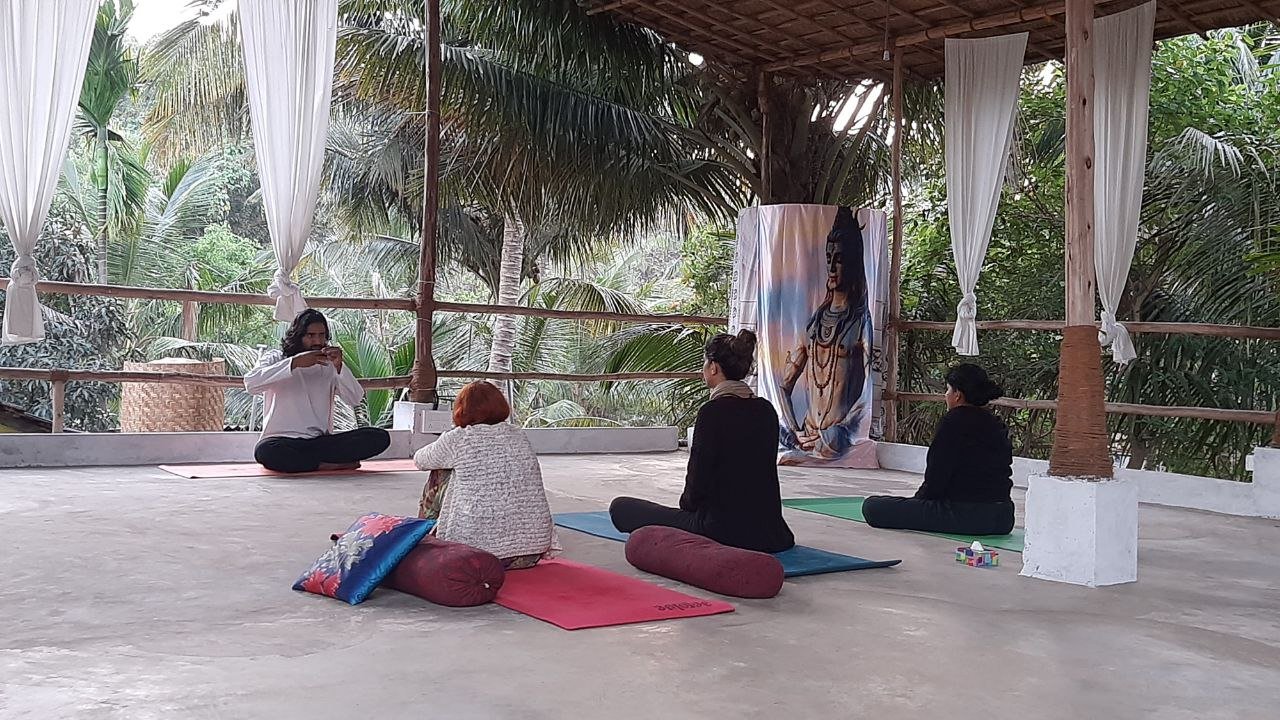
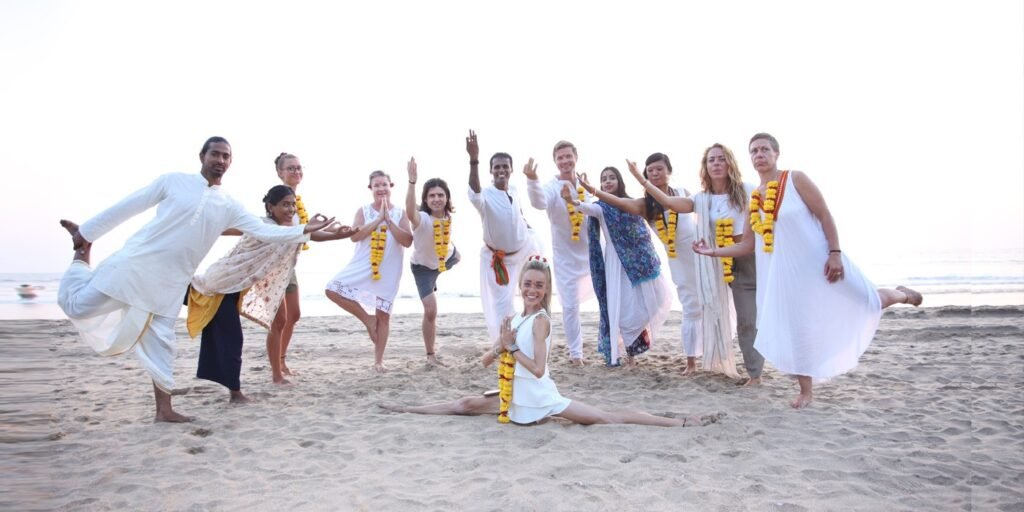
At Goa Yogashala in Agonda, South Goa, our students study yoga in an immersive environment while experiencing the slower rhythm of life near the coast.
The goal is not simply to create people who can demonstrate yoga poses.
It is to help students understand the broader practice.
Is Yoga Becoming More Modern—or Returning to Its Roots?
Perhaps both.
Modern wellness brings research, accessibility, new technology and new ways of understanding the body.
Traditional yoga brings centuries of philosophy, self-inquiry, breath, meditation and disciplined practice.
They do not always need to compete.
The most interesting future may happen where the two meet.
Scientific curiosity alongside traditional wisdom.
Technology alongside human teaching.
Strong movement alongside deep rest.
Individual practice alongside community.
Modern life alongside ancient tools for understanding ourselves.
Final Thoughts: The Future of Yoga May Be Simpler Than We Think
We do not know exactly what wellness will look like in 2027.
No one does.
Trends change.
New technologies appear.
New research challenges old ideas.
New wellness practices become popular and others disappear.
But the direction we are already seeing is interesting.
People want to feel calmer.
Sleep better.
Move for longer.
Understand their bodies.
Breathe consciously.
Spend time in nature.
Travel meaningfully.
Build community.
Disconnect occasionally.
Understand themselves more deeply.
And none of those needs are particularly new.
That may be yoga’s greatest advantage in the wellness world of 2027.
Yoga does not necessarily need to become the newest trend.
It simply needs to remind us why people started practicing it in the first place.
Perhaps the future of yoga will not be about achieving a more impressive posture.
Perhaps it will be about learning how to live inside our bodies with a little more awareness.
How to breathe before reacting.
How to move without constantly competing.
How to rest without guilt.
How to sit with ourselves without needing distraction.
How to connect with other people.
And how to understand that wellness is not something we buy once a year.
It is something we practice.
The biggest yoga trend of 2027 may therefore be the simplest one of all: going back to what yoga was always about.
Experience Yoga Beyond the Asanas at Goa Yogashala
At Goa Yogashala in Agonda, South Goa, our yoga teacher training programs explore yoga as more than physical movement.
Students experience practices and subjects including Hatha Yoga, Ashtanga Yoga, Vinyasa Yoga, Yin Yoga, meditation, pranayama, yoga philosophy, anatomy, Ayurveda, alignment, adjustments and teaching methodology.
Whether you want to become a yoga teacher or simply understand your own practice more deeply, an immersive yoga teacher training in India gives you the opportunity to step away from everyday distractions and dedicate real time to learning.
Explore our upcoming Yoga Teacher Training courses in Goa and discover where your practice can take you next.