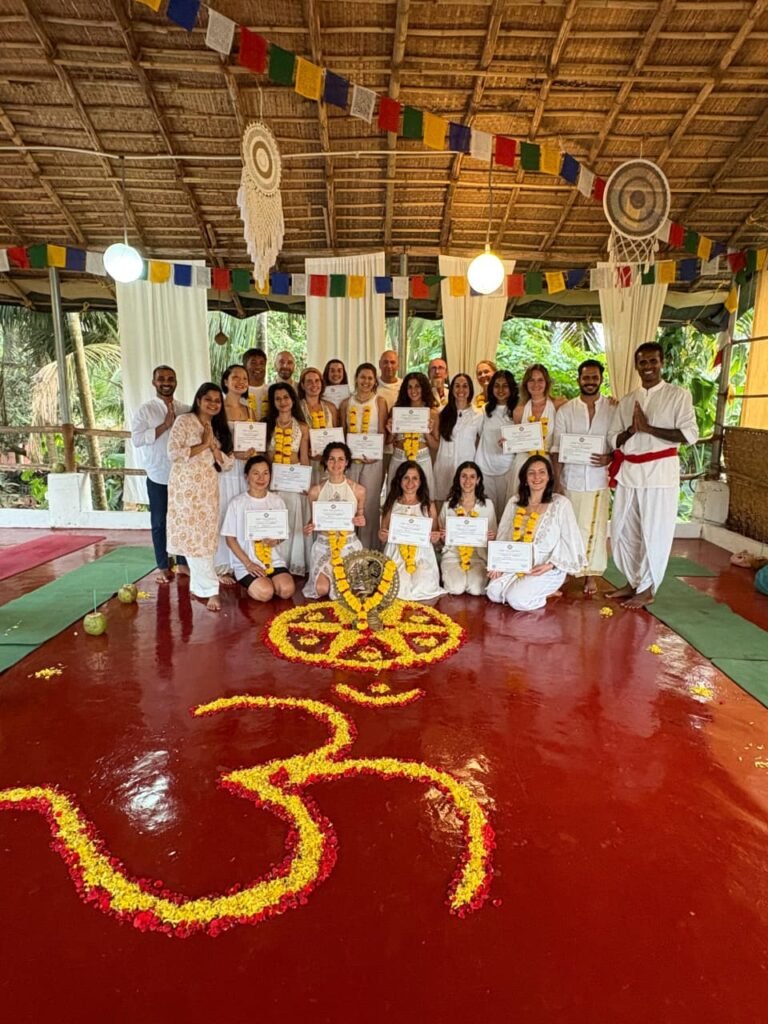
More Than a Ritual: Understanding the Spiritual Significance of the Sacred Fire in Yoga Teacher Training
When many students imagine a Yoga Teacher Training (YTT) course in India, they often picture sunrise yoga sessions, meditation by the beach, anatomy classes, and learning ancient yogic philosophy. While all of these are essential parts of the journey, there is one experience that often leaves a lasting impression long after the final certificate is awarded—the Fire Ceremony.
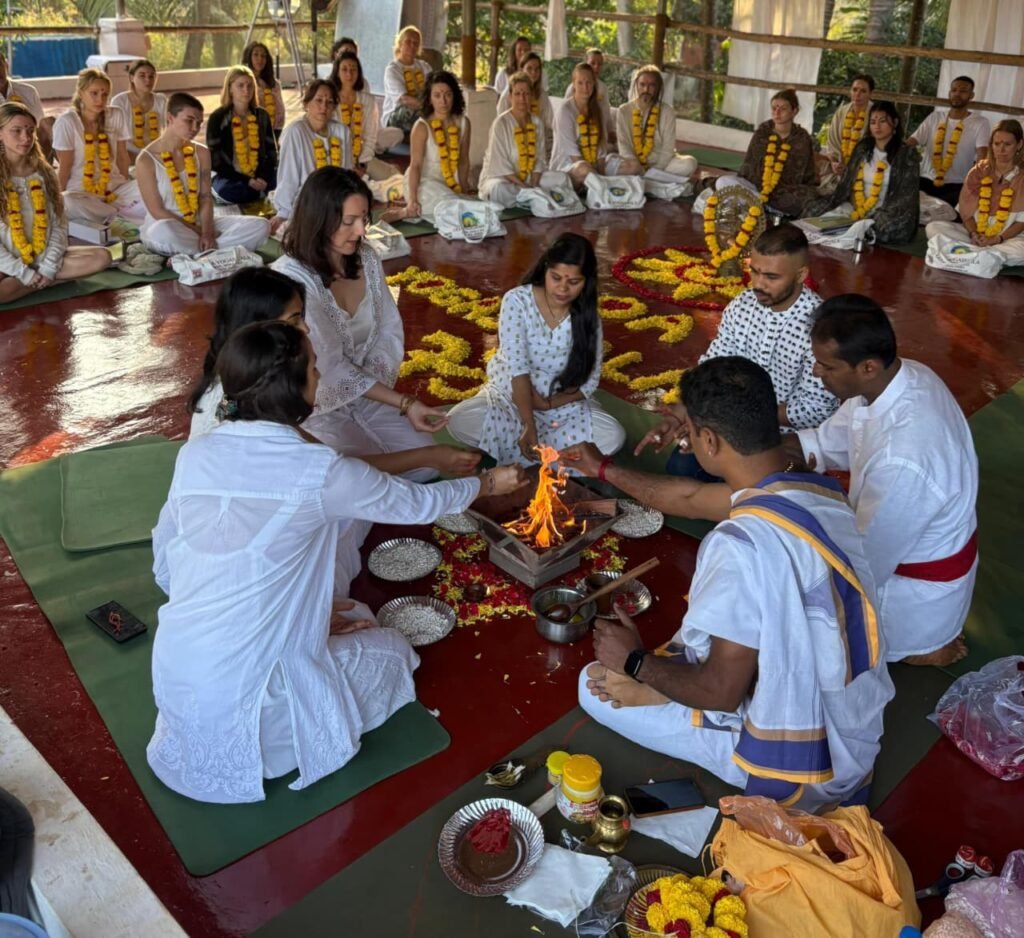
For many international students, attending a traditional Indian fire ceremony for the first time can feel both beautiful and mysterious. The sound of chanting fills the air. Flowers decorate the sacred space. A small fire burns in the center while offerings are made with intention and gratitude. It may seem like a religious ritual at first glance, but its deeper meaning goes far beyond religion.
In yoga traditions, the fire ceremony—often known as a Hawan or Homa—symbolizes transformation, purification, and the beginning of a new chapter. During Yoga Teacher Training, it serves as a powerful reminder that becoming a yoga teacher is not only about mastering postures; it is also about personal growth, self-reflection, and inner evolution.
In this article, we explore what a fire ceremony means during Yoga Teacher Training, its roots in Indian culture, and why it remains one of the most memorable experiences for students from around the world.
What Is a Fire Ceremony?
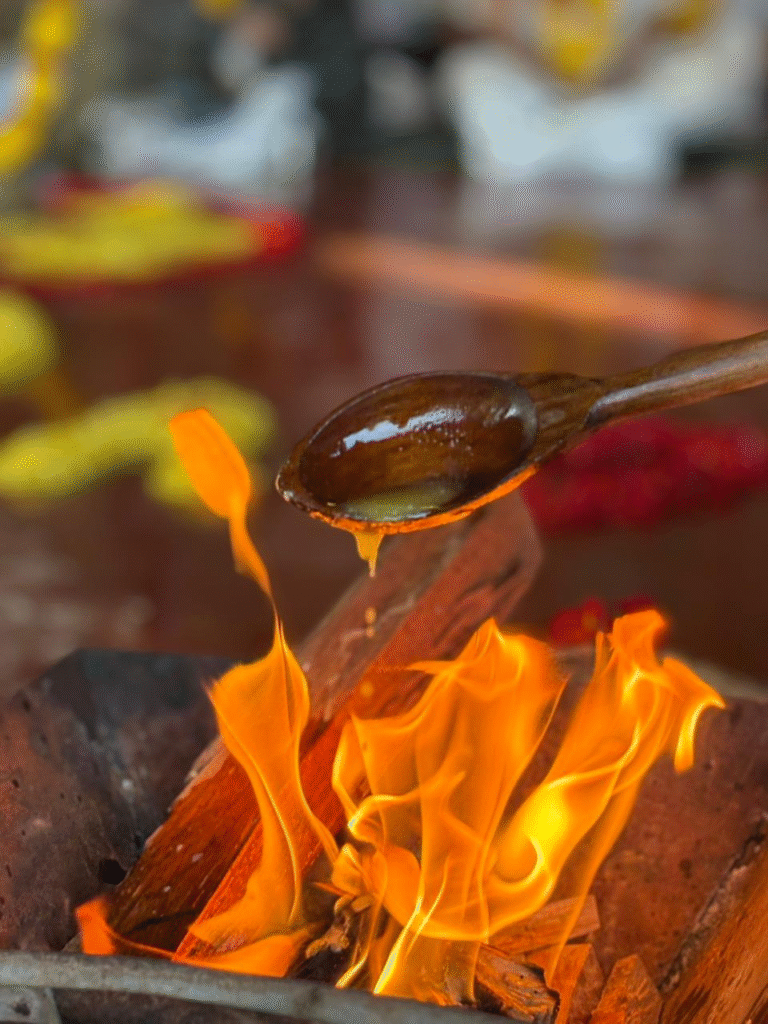
A fire ceremony, traditionally called a Hawan or Yajna in India, is an ancient Vedic ritual that has been practiced for thousands of years. The ceremony involves a sacred fire into which offerings such as herbs, grains, ghee (clarified butter), and flowers are placed while mantras are chanted.
In Vedic philosophy, fire is considered a powerful symbol of transformation. Just as fire changes wood into ash and smoke, it symbolizes the ability to transform negative patterns, limiting beliefs, and old habits into wisdom, clarity, and growth.
The ceremony is not performed to worship the fire itself. Instead, the fire acts as a bridge between the physical and spiritual worlds, carrying intentions, prayers, and gratitude into the universe.
For yoga students, this symbolism aligns perfectly with the journey of Yoga Teacher Training—a process that often transforms not only the body but also the mind and perspective on life.
The Ancient Connection Between Fire and Yoga
The roots of yoga and fire ceremonies both trace back to ancient India. Long before yoga became popular around the world, spiritual seekers practiced meditation, chanting, and sacred rituals as part of a holistic path toward self-realization.
In yogic philosophy, transformation is one of the central themes of personal growth. Students learn that yoga is not simply exercise but a process of refining awareness and living more consciously.
Fire has always represented this transformative energy.
The Sanskrit word Agni refers to fire and is regarded as one of the most important forces in Vedic teachings. Agni represents:
- Transformation
- Purification
- Knowledge
- Light
- Spiritual awakening
- Inner strength
Many yogic teachings describe an “inner fire” that helps practitioners move beyond fear, doubt, and ignorance toward clarity and self-understanding.
A fire ceremony serves as a physical expression of this inner process.
Why Are Fire Ceremonies Included in Yoga Teacher Training?
Yoga Teacher Training is often described as a life-changing experience. Students arrive from different countries, cultures, professions, and backgrounds, but they share a common intention—to learn, grow, and deepen their understanding of yoga.
The fire ceremony creates a meaningful space to honor this intention.
1. Marking a New Beginning
Many schools begin their teacher training with an opening fire ceremony.
Starting a Yoga Teacher Training is a significant commitment. Students may have traveled thousands of miles, left their routines behind, or stepped far outside their comfort zones.
The opening ceremony symbolizes:
- Leaving old habits behind
- Beginning a journey of self-discovery
- Creating positive intentions
- Opening oneself to learning
Students are often invited to reflect on what they hope to gain from the experience and what they wish to release.
The ceremony becomes a symbolic first step into a transformative month of learning and growth.
2. Creating a Sense of Community
One of the most beautiful aspects of Yoga Teacher Training is the community that develops among students.
People who were strangers only days earlier begin sharing meals, practicing together, supporting one another, and forming deep friendships.
The fire ceremony often serves as the first collective experience of the training.
Gathering around the sacred fire creates a sense of unity and connection. Students sit together, chant together, and participate together regardless of nationality, language, or background.
The ceremony reminds everyone that yoga is ultimately about connection—to ourselves and to others.
3. Honoring Indian Yogic Traditions
Many students travel to India because they want to experience yoga in its birthplace.
While modern yoga classes around the world often focus primarily on physical practice, studying in India provides opportunities to connect with the cultural and philosophical traditions that have shaped yoga for centuries.
The fire ceremony offers a glimpse into these traditions.
Students experience:
- Sanskrit chanting
- Traditional rituals
- Ancient symbolism
- Vedic culture
- The spiritual atmosphere of Indian ceremonies
Rather than learning about these traditions from a textbook, students experience them directly, making the lessons more meaningful and memorable.
4. Practicing Intention Setting
Intentions play an important role in yoga.
Unlike goals, which focus on achieving a specific outcome, intentions focus on how we want to show up during our journey.
During a fire ceremony, students are often encouraged to reflect on intentions such as:
- Developing confidence
- Cultivating patience
- Letting go of fear
- Opening the heart
- Building discipline
- Living more authentically
The symbolic act of offering something into the fire represents surrendering obstacles and committing to positive growth.
Many students find this process deeply emotional and empowering.
5. Encouraging Reflection and Gratitude
Yoga Teacher Training can be physically demanding and emotionally transformative.
Throughout the course, students often uncover new strengths, face personal challenges, and gain valuable insights about themselves.
Fire ceremonies—especially graduation ceremonies—provide an opportunity to pause and reflect.
Students are invited to acknowledge:
- How far they have come
- What they have learned
- The friendships they have built
- The teachers who guided them
- The experiences that shaped their journey
This moment of reflection often creates a deep sense of gratitude and fulfillment.
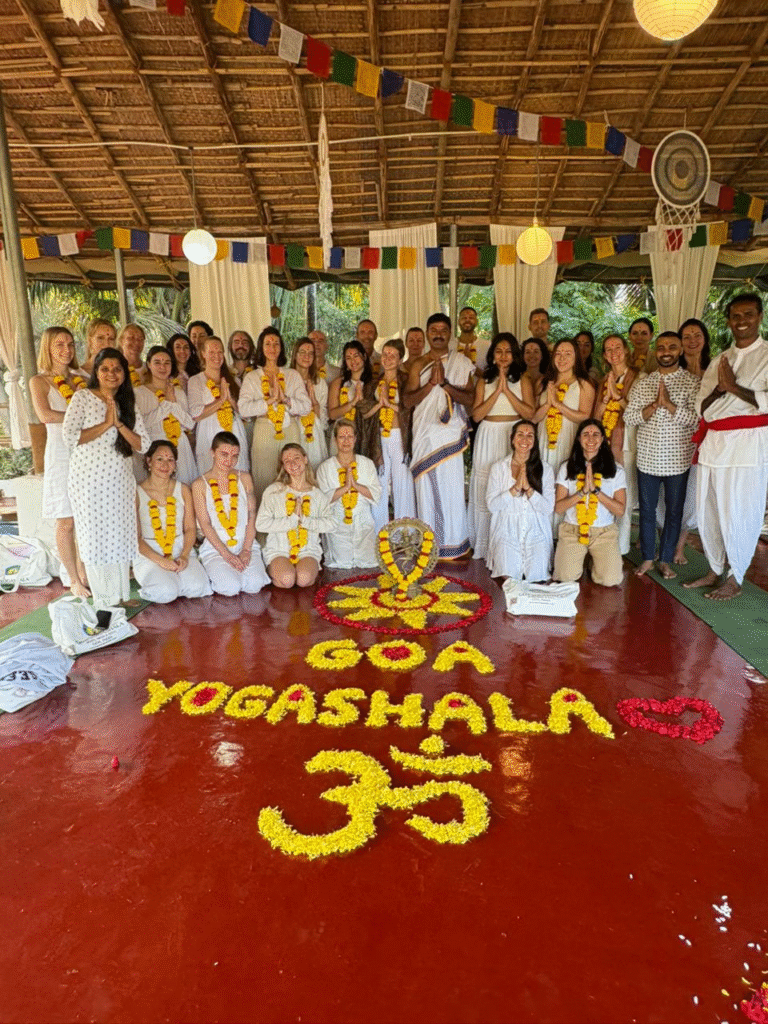
What Happens During a Traditional Fire Ceremony?
Although each yoga school may conduct the ceremony differently, most traditional fire ceremonies follow a similar structure.
Preparing the Sacred Space
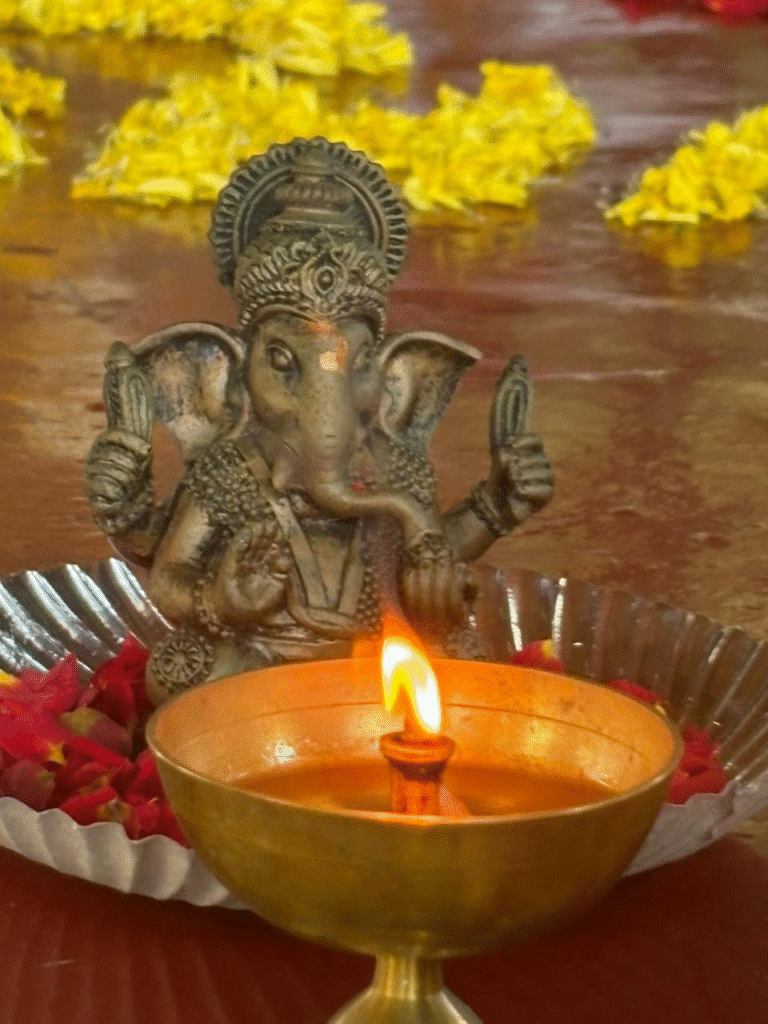
The ceremony usually takes place in a peaceful area decorated with:
- Flowers
- Candles
- Natural elements
- Traditional symbols
The atmosphere is calm, respectful, and welcoming.
Lighting the Fire
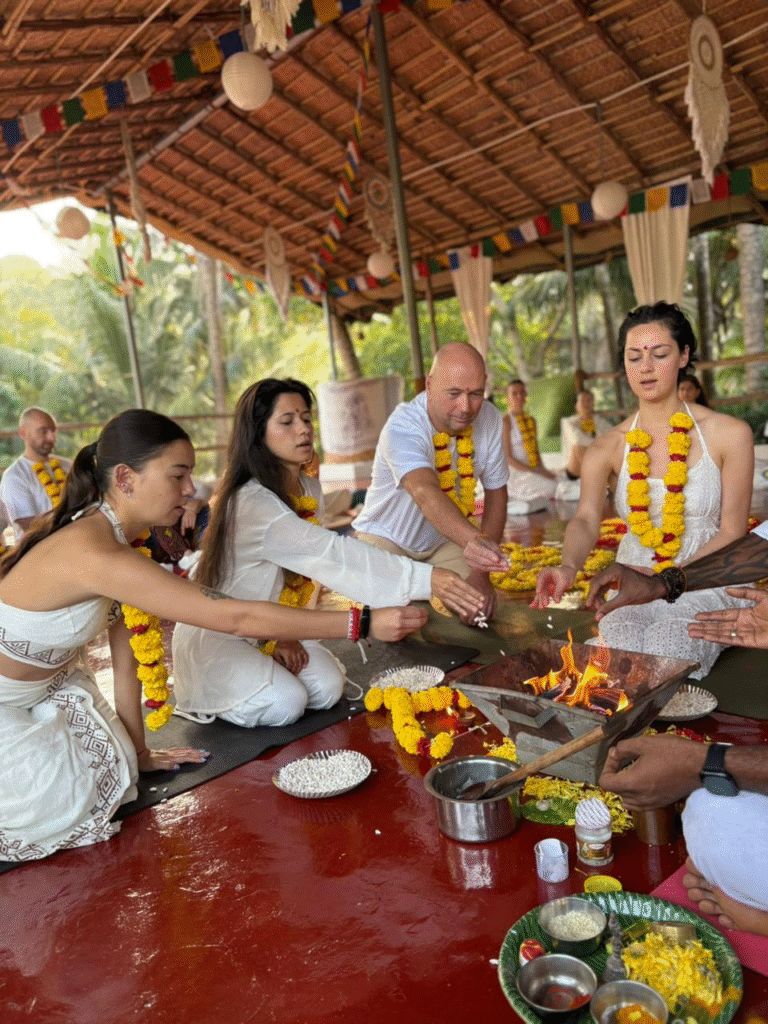
The sacred fire is lit at the center of the gathering.
In Vedic tradition, lighting the fire symbolizes awakening spiritual energy and inviting clarity into the space.
Chanting Mantras
Teachers lead students in Sanskrit mantras that create a meditative and uplifting atmosphere.
Even students who have never chanted before often find the rhythmic repetition calming and grounding.
Offering Sacred Items
Participants place offerings into the fire, which may include:
- Ghee
- Rice
- Herbs
- Seeds
- Flowers
Each offering represents gratitude, intentions, or the release of negative patterns.
Silent Reflection
Many ceremonies include moments of silence, meditation, or personal reflection.
Students may focus on:
- Intentions for the future
- Gratitude for the present
- Personal transformation
- Spiritual growth
Blessings and Closing
The ceremony concludes with blessings, prayers, or words of wisdom from the teachers.
Students often leave feeling calm, inspired, and deeply connected to the experience.
Is a Fire Ceremony Religious?
This is one of the most common questions international students ask.
The answer is no—not in the sense that participation requires adopting a particular religion or belief system.
Yoga schools that include traditional ceremonies generally welcome students from all faiths and backgrounds.
The ceremony is typically approached as:
- A cultural experience
- A spiritual tradition
- A symbolic practice
- A moment of mindfulness and reflection
Students are free to interpret the experience according to their own beliefs.
Many people view it simply as a meaningful ritual that encourages gratitude, intention, and personal growth.
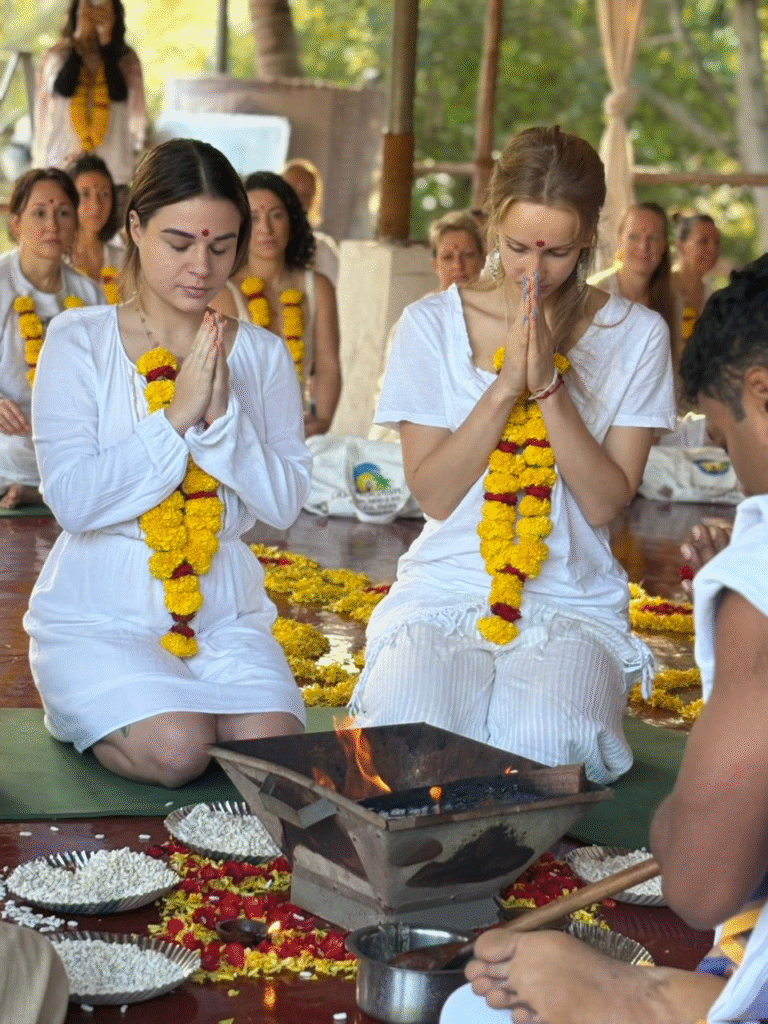
Why Do Students Often Feel Emotional During the Ceremony
It is not unusual for students to become emotional during a fire ceremony.
Several factors contribute to this experience:
A Pause From Daily Life
Modern life rarely gives us opportunities to stop and reflect deeply.
The ceremony creates a dedicated moment for introspection.
The Power of Symbolism
Symbolic acts often affect us more deeply than we expect.
Watching something burn in the fire can represent releasing fear, self-doubt, or emotional burdens.
Shared Human Connection
Experiencing a meaningful ritual together creates a powerful sense of belonging.
Students often feel supported, understood, and connected.
Personal Transformation
Many students recognize how much they have changed throughout the training.
The ceremony becomes a celebration of that growth.
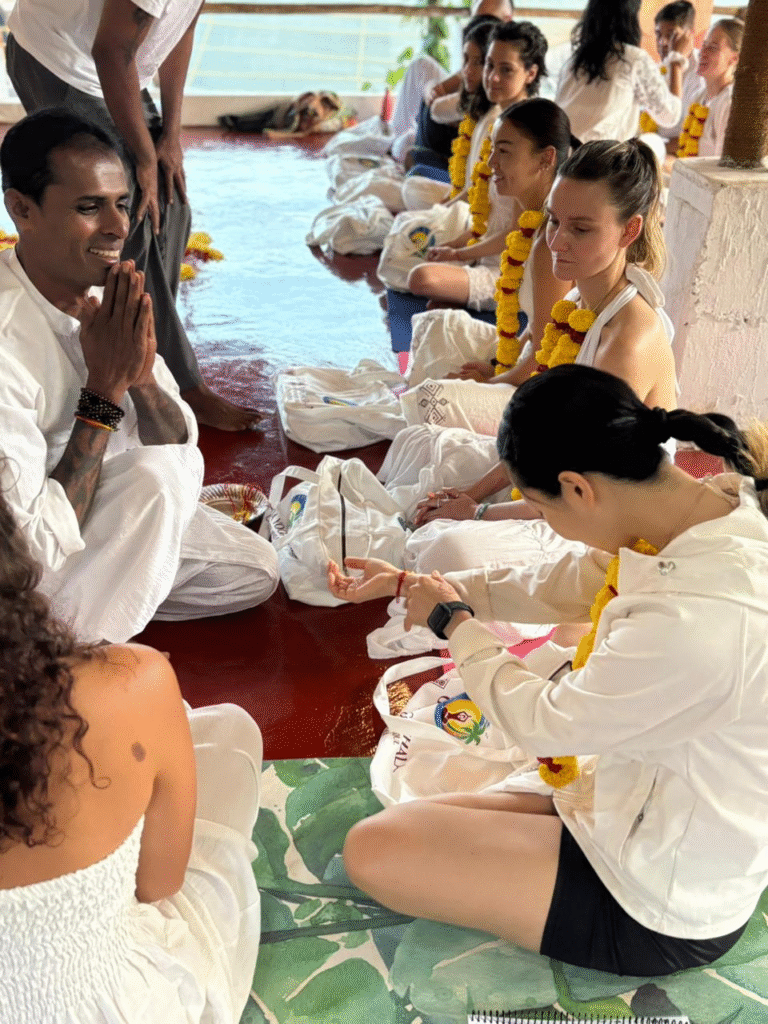
A Memory That Lasts Long After Training Ends
Years after completing Yoga Teacher Training, students often remember specific classes, favorite teachers, and beautiful locations.
Yet many also remember something less tangible—the feeling of sitting around a sacred fire surrounded by a supportive community, listening to ancient chants under the open sky.
The fire ceremony becomes a symbol of everything Yoga Teacher Training represents:
- Transformation
- Growth
- Connection
- Gratitude
- Courage
- New beginnings
It is a reminder that yoga is far more than a physical practice. It is a journey inward, a path of self-discovery, and an opportunity to reconnect with what truly matters.
Whether experienced on a peaceful beach in Goa, in the foothills of the Himalayas, or within a traditional Indian yoga school, the sacred fire continues to illuminate the path for students seeking deeper meaning through yoga.
Final Thoughts
A fire ceremony during Yoga Teacher Training is not merely a cultural event or beautiful photo opportunity. It is a powerful symbol of transformation, intention, and connection.
For many students, it marks the moment when yoga shifts from something they practice to something they truly begin to live.
As the flames rise and mantras echo through the air, students are reminded of one timeless truth: growth begins when we are willing to let go of what no longer serves us and step courageously into who we are becoming.